Sibling swimming
from 3months up
in Helsinki and Espoo
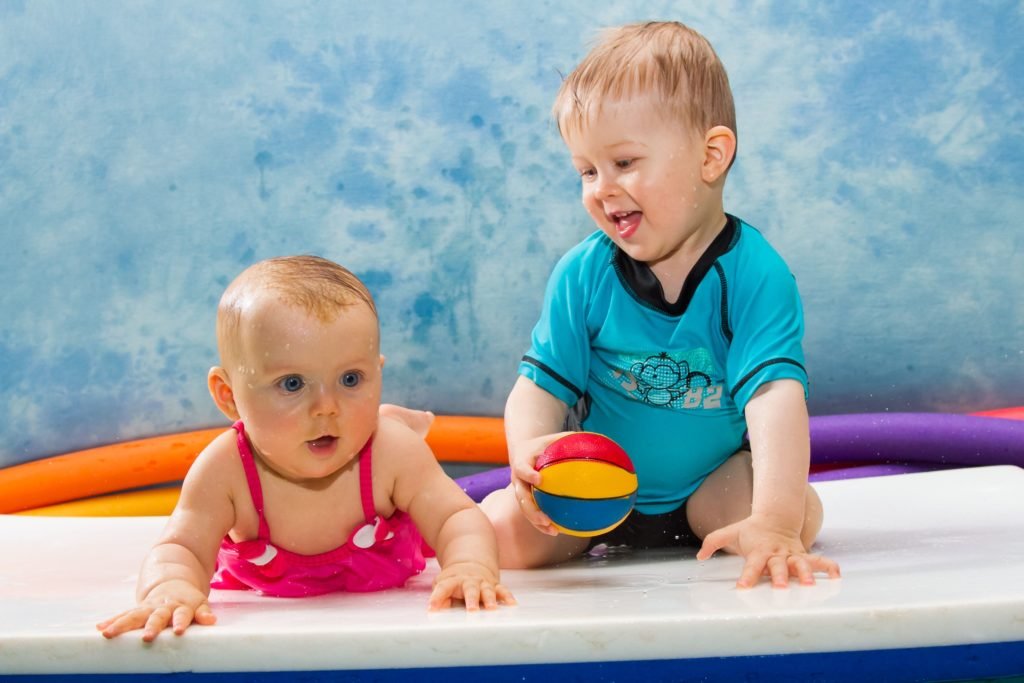

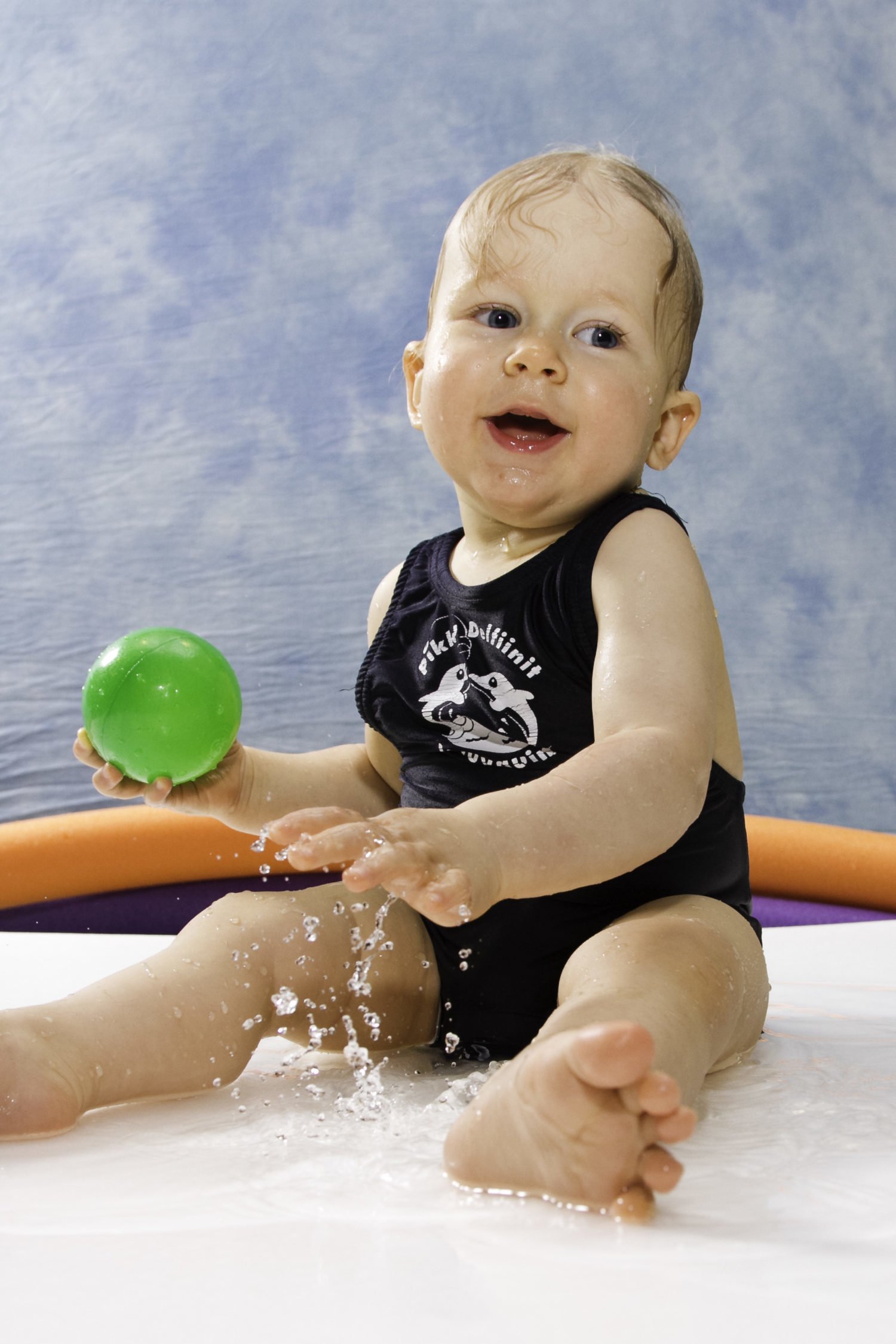
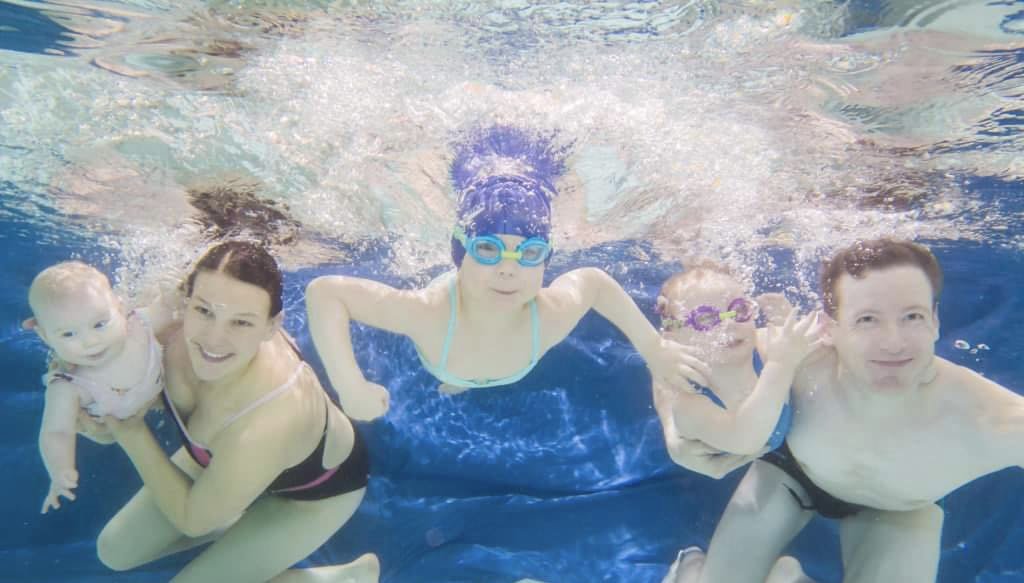
Sibling swimming is a joyful and flexible way for families to enjoy the water together. It is designed for children from around 3 months and up, making it possible for siblings of different ages to swim in the same group alongside their parent(s).
In Pikku Delfiinit’s sibling swimming groups, children develop water confidence, motor skills, and early swimming abilities in a safe and supportive environment.
Swimming lessons are held once a week, with each lesson lasting 30 minutes.
What is sibling swimming?
Sibling swimming is a continuation of baby swimming and a more advanced family-oriented swimming class.
It allows:
babies and siblings to swim in the same group
1–2 parents or adults to participate in the water
children of different ages to learn together at their own pace
The focus is on shared experiences, water confidence, and natural skill development—not performance.
What happens in sibling swimming?
In sibling swimming sessions, we guide children through playful and structured water activities, always respecting each child’s developmental stage.
Typical activities include:
getting comfortable in the water
floating and relaxation in water
gliding movements
kicking and basic propulsion skills
arm movements and coordination
breathing rhythm and water safety basics
Every session is adapted to the children’s age, experience, and comfort level.
For who is sibling swimming for?
Sibling swimming is ideal for families who:
have more than one child (from 3 months upwards)
want a shared family activity in water
have previous baby swimming experience—or want to start together
want to build early water confidence and safety skills
There is no strict upper age limit for participation.
Why choose sibling swimming?
Sibling swimming supports both children and parents by:
strengthening water confidence early in life
improving coordination and motor development
making swimming a shared family experience
reducing stress for families with multiple children
building a strong foundation for future swimming skills
Many families find it easier than attending separate swimming classes for different children.
Sibling swimming and swimming development
Sibling swimming is part of a long-term learning path:
Baby swimming → Sibling swimming → Family swimming school → Swimming technique training
Each stage builds new skills while maintaining a positive and safe relationship with water.
Water safety and learning philosophy
At Pikku Delfiinit, the goal is not performance but:
a positive experience in water
child-led learning
safe exploration of new skills
confidence in aquatic environments
Children progress only when they are ready, without pressure or forced performance.
Summary
Sibling swimming is a unique opportunity for families to learn and enjoy water together.
At Pikku Delfiinit, we focus on:
- Safety
- Joy
- Shared family experiences
- Long-term swimming confidence
Sibling Swimming - Star Dolphins
What do we do in Star Dolphins?
In our swimming lessons, children have the opportunity to explore the basics of water safety. Every group respects each child’s stage of development.
We guide families individually, just like in baby swimming, but we also practice skills together as a group. Each week features a different theme, although in practice nearly everything is explored during a single session.
Throughout the lesson, our focus is always on one key question: What does our child enjoy right now?
Learning to swim consists of the following elements:
1. Getting used to water – The child relaxes in the water, becomes comfortable with splashes, and accepts water on their face. They learn to blow bubbles and start practicing submersion, eventually attempting independent submersion.
2. Learning to float – Floating requires feeling safe in the water, trusting their abilities, and overcoming any fear. Children practice floating on their back with ears in the water and limbs submerged, as well as on their front with face in the water.
3. Learning to glide – In the glide position, the child stretches out straight, with arms extended in front (thumb grip, face between hands, legs together and straight).
4. Learning the proper kick – Kicking with straight legs, for example during a glide or while kicking with a kickboard.
5. Learning arm movements – Initially, the arms may hinder forward movement, but alternating arm strokes are practiced together while holding the child’s hands, and later the child performs them independently.
6. Learning breathing rhythm – The child learns to lift their head out of the water to “take a breath” and exhale underwater.
You can browse
location-specific
schedules below: